St John’s Wood Painters & Decorators
Joinery & sash windows
The character of joinery in a St John's Wood house or flat is in its proportions and edges. A useful painting brief protects that detail and states exactly which faces are included.
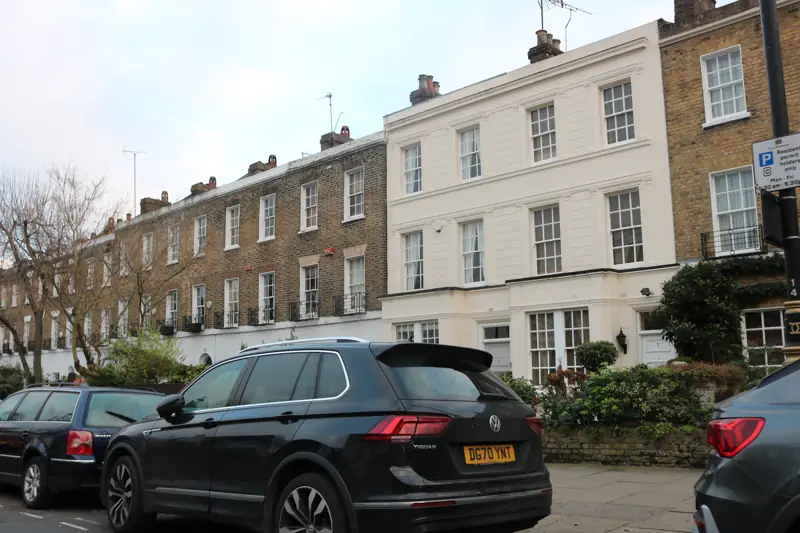
Doors, frames and the spaces between
A door schedule should distinguish both faces, edges, architraves and the frame. Note hinges, locks and other fittings to retain or remove. For panelling and cupboards, decide whether shelves, internal surfaces and concealed edges are included. These small boundaries make a substantial difference to the scope and to how the finished room reads.
Sashes that need more than paint
Record the condition of the timber, putty and existing coating before discussing decoration. Flag a sash that sticks, damaged glazing or a defective cord separately so that any repair can be assessed. Specify internal and external faces independently, including the access needed to reach them. The intended operation of the window belongs in the brief.
Keep the profile, choose the sheen
Look closely at mouldings and joints when deciding how much preparation is appropriate. A sample on comparable timber can help assess the proposed sheen beside the wall finish. Where old decorative layers may have historic value, seek advice before stripping; Historic England highlights the evidence that these layers can contain.
Arrange the room around the work
Identify which doors must stay in use, how window openings will be managed, and where removable items could be stored. Discuss protection of glass, floors and hardware, then follow the chosen product's curing guidance before regular use. Keep the finish references for later maintenance, particularly where several similar whites or dark tones meet.
Both faces of a sash, and the mouldings between them
A sash window is a set of faces, not a single item called the window. The room side, the outside, the staff bead, the meeting rail and the cill can all carry different wear, and the brief should say which of them are being decorated. Note sticking sashes, cracked panes, failed putty and cords that are already a problem, so that a repair can be considered before paint is asked to hide it. Interior and exterior coatings are chosen separately: the outside meets weather, the inside meets the room. Where old paint is thick in the quirks of a glazing bar, preparation should keep the profile rather than rounding it off with filler. Mask glass so the cut line is straight, and keep paint off hinges and pulleys that still have to move. If the building is listed, or earlier decorative layers may be significant, take advice before stripping back to bare timber. Historic England notes that those layers can hold evidence, and that stripping is not a neutral first step. Paint on the meeting surfaces, applied too thickly or closed too soon, will stop the sash running.
Shutters, architraves and paint that has built up in the detail
Panelled doors, shutter boxes and architraves are where a period room shows whether the preparation was careful. Each moulding collects old paint in its hollows. Sanding should open the detail enough for a clean line, without sanding the arris away. Decide, door by door, whether both faces, the edge, the frame and the architrave are included. A door that is only painted on the room side still needs a note about the edge, because that is the face you see when it stands open. Shutters need the same honesty: the face towards the room, the face towards the glass, and the reveal between them are three small surfaces that are easy to leave off a room count. Fitted cupboards add shelves, door backs and the carcass people only notice when a door is open. Say which of those are in. Where the wall is papered and the architrave is painted, agree which happens first so the paper is not cut back twice. A higher sheen will show the remaining undulation; a flatter sheen will show marks differently. Write the reference down before the first undercoat is opened.
Ironmongery, glass and doors that still have to be used
Joinery that stays in daily use needs a plan for the hours it cannot be closed or handled. Hinges, locks, bolts and letterplates should be masked or removed and labelled, then put back without a skin of paint in the joints. Brass and bronze that are meant to remain exposed need a clear edge, not a halo of overpaint. Glass in doors and borrowed lights is masked to a consistent margin. The brief should also say which doors must remain available for escape, for a child, or for access to a kitchen, because those leaves cannot be taken off and stacked. Drying follows the product. A door closed on wet edges will stick, and a handrail gripped too soon will gloss with fingerprints. In a mansion flat, the entrance door may belong to a different instruction from the internal doors; confirm that before it is added to the schedule. In a house, the front door often has an outside face in one system and an inside face in another. Keep those as two lines. When the work is reviewed, check operation as well as appearance: sashes that run, shutters that fold, and doors that latch.
Joinery in St John's Wood: windows, doors and older paint
The conservation-area audit says regular maintenance and painting of doors and windows is essential if decay is not to take hold. A sash or door that is only washed, once the film has failed, is the condition this note is aimed at.
Timber sashes, the audit says, appear in 1930s neo-Georgian buildings and in mansion blocks, while side-hung timber casements are more common on the Tudor Gothic houses. Name which of those you have, because meeting rails, hinges and cills are prepared differently.
Westminster says painted doors on listed buildings should not be replaced with stained or varnished doors. If the door is painted now, the joinery specification keeps a paint finish rather than stripping it back to a clear coat.
HSE guidance says leaded paint must not be overheated with blow lamps or gas torches. Burning off an old sash is not an acceptable way to get back to the timber.
The same guidance advises leaving sound old paint in place and stripping back only paint that is flaking, chipping or dusting. Sound mouldings keep their build-up; the failed film is the part that comes off.
How to ask for a joinery quotation
Count the doors, sashes and shutters, and say which faces are in the job. One close view of a meeting rail or a cill tells more than a wide shot of the whole front. Note any door that must close each night, and send the count with the photographs through the contact page.
Questions about Joinery & sash windows
Which joinery is included, and what is left with the wall painting?
Joinery painting covers the items you name: doors, frames, skirtings, architraves, shutters, panelling, cupboard doors and sash windows. Wall and ceiling colour stays with interior painting, even in the same week. Say where a joinery colour stops so it does not run onto a shutter you meant to keep. Shelves and door backs are included only if you say yes. Glass, ironmongery and each sash face, including the weather face, are listed rather than implied by the word windows.
What preparation do mouldings and sashes usually need?
Where paint has filled a moulding, preparation keeps the profile instead of rounding it off. Loose material comes off, bare areas are primed, and a sound film may be cleaned and keyed. A sash that sticks may need easing, or a repair to a decayed cill, before another coat is treated as the whole job. Cord and draught problems are separate items. On the listed group at 5 to 15 Hamilton Terrace, that detail is part of the character, so preparation is discussed against what must remain.
What should I send for a joinery or sash quotation?
Count the doors, windows and shutters, and name the faces in scope. A photograph of a door, a shutter and one sash, with the meeting rail and cill, is more useful than a wide shot of the room. Note ironmongery to remove or mask, cracked glass, and any window that must keep opening. In a St John's Wood mansion flat, say whether the entrance door is yours or the block's. If another trade is repairing the timber, say what they will hand back.
Can doors and windows stay in use during the work?
As a practice, joinery is ordered so there is still a way through the home. A front door is not out of use for a whole day without an alternative. Sashes that air an occupied room are not all immobilised together. Recoat times depend on the product and the room. A door can often close carefully between coats, but handles go back only when the finish will not print. Say which doors are on the night route and which windows you need for air.
Are St John's Wood windows all timber sashes?
No. The audit says timber sashes appear in 1930s neo-Georgian buildings and mansion blocks, while side-hung timber casements are more common on Tudor Gothic houses. The brief should name the type so the preparation matches the frame.
Can a painted door on a listed St John's Wood house be stripped and stained?
Westminster says painted doors on listed buildings should not be replaced with stained or varnished doors. Regular painting of doors and windows is described as essential to prevent decay. Where the old coat may contain lead, it must not be overheated with a blow lamp or a gas torch, and sound paint should stay unless it is flaking, chipping or dusting.
Adjoining streets and wider work
Joinery and sash windows of this kind are also described by Primrose Hill painters and decorators and Hampstead painters and decorators.
Where a sash needs joinery repair as well as paint, that wider work sits with Hampstead Renovations.
Related services
In these parts of St John’s Wood
Request a quotation
Tell us about your property.
Share the address, the rooms or surfaces, and what you have in mind.
Your project details
Tell us what you would like to decorate and where.