The decorating notebook
A brief for a period home
The most useful brief explains what should survive. Make that clear before discussing how the room should change.
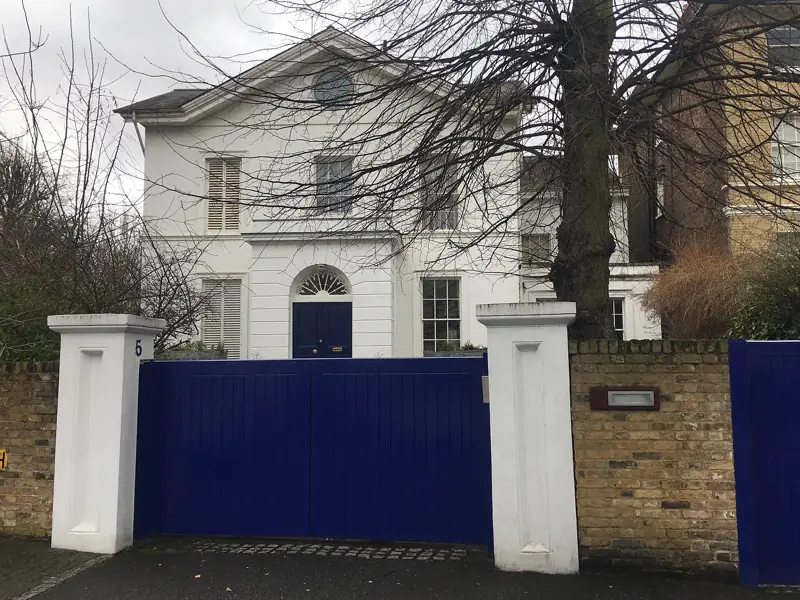
Photograph the details you value
Start with a view of each room, then photograph cornices, window shutters, panelling, door surrounds and fittings you intend to keep. Record uncertain features as uncertain. Historic England explains that earlier decorative layers can carry valuable evidence; investigate them appropriately before specifying stripping or substantial preparation.
Separate condition from appearance
Make two lists: the appearance you want and defects that need attention. A colour choice will not resolve a recurring stain or failing plaster. Identify who will assess any underlying issue and how repair work will be completed before decoration. Keep these decisions distinct from routine preparation so the quotation does not conceal unresolved assumptions.
Make samples part of the brief
Review wall and woodwork samples together, in the room and beside the materials that remain. A pale paint can read differently beside a warm timber floor or a cool stone surround. Record the actual product and sheen with the colour reference, then keep the agreed sample available during the work rather than relying on memory.
Agree what happens if something unexpected appears
A project can reveal earlier layers or concealed repairs. Establish who will be contacted and which work should pause for advice. For a listed building, Westminster's consent requirements concern both interior and exterior changes affecting its special interest. Share relevant instructions with everyone involved, including anyone carrying out preparatory repairs.
Sources: Westminster: listed-building consent
Keep a useful record for later
Retain the room schedule, photographs, product references and any approvals. Note the location of different finishes, particularly where adjacent colours are similar. Ask for the relevant manufacturer's care information and follow it when the surfaces return to everyday use. A clear record makes maintenance decisions easier without implying that every future touch-up will be invisible.
Choosing coatings for plaster and timber that still move
A period brief should say how the surfaces handle moisture before it says which colour they will wear. Historic England's redecoration advice includes the suitability of coatings and their moisture behaviour, and it does not offer one system for every old wall. Lime plaster, a timber cill and a previously painted lining can each need a different first coat. An impermeable film on a wall that needs to breathe can store up the failure you are trying to cover. If you do not know the substrate, the honest line in the schedule is that it is unknown and that advice is required before a product is named. Stains need a cause. A brown mark on a ceiling may be a past leak, a salt or a bleeding coating, and each of those changes the preparation. Joinery that has been painted for many years may be firm, or soft under the film. Find out before you specify a full strip. Where earlier schemes might be significant, pause and ask, because those layers can be evidence. Split the brief into investigation, repair and decoration, and let the third follow the first two.
A villa brief that includes the garden front and the stair
On the Eyre Estate streets the audit describes early and mid-Victorian villas, brick and stucco, gardens, and semi-detached houses composed as one villa. A period-home schedule for one of those houses should use that description as a checklist, not as a style label. Outside, name the street front, the returns and the garden elevation, and mark brick that is bare separately from stucco that is already painted. Inside, photograph the stair, the shutters and the doors that will be seen from more than one room, because a villa plan often shows several spaces at once. A colour chosen in a front room should be looked at again in the hall before it is copied there. If the house is half of a composed pair, the outside composition is shared visually even when the instruction is not. Limit the specification to the faces you can authorise, and say so. The audit's estate history is not present ownership and not a listing of every house. If the particular house is listed, the interior method joins the exterior method in the question you ask.
Sources: Westminster: St John's Wood conservation area audit; Westminster: listed-building consent
When an earlier scheme appears under the film
Old houses reveal earlier work once paper comes off or a failed coating is cut back. The brief should decide the response before that happens. Name a person to call, and name the tasks that stop: stripping, widening a repair, or continuing a colour across a surface that now looks different. Historic England's advice is to investigate earlier decorative layers appropriately before specifying substantial preparation. Westminster, for a listed building, will care about interior as well as exterior changes that affect special interest. Share that instruction with anyone doing repairs before the decorators, so a well-meant sanding does not remove the evidence the advice was meant to protect. Take a photograph of what appeared, in the state you found it, and keep it with the consent papers or with the note that consent was not required. Then revise the specification in writing. A newly exposed line of an old frieze, or a patch of a different plaster, is a change to the job, not a detail to paint through because the programme is moving. The record you leave at the end should include what was found and what was done about it.
Adjoining streets and wider work
Period-home decorating of this kind continues on the adjoining streets. See Primrose Hill painters and decorators and Marylebone painters and decorators.
Where the building needs repair as well as decoration, that wider work sits with Hampstead Renovations.
If defects show up before redecorating, a condition survey can be discussed with Hampstead Chartered Surveyors, our sister surveying and building consultancy firm.
Request a quotation
Tell us about your property.
Share the address, the rooms or surfaces, and what you have in mind.
Your project details
Tell us what you would like to decorate and where.