St John’s Wood Painters & Decorators
Planning and period finishes
Period-home decoration and colour planning sit before the paint goes on. One asks what a St John's Wood building should keep, and what has to be checked first. The other asks which product, colour and sheen each surface will take.
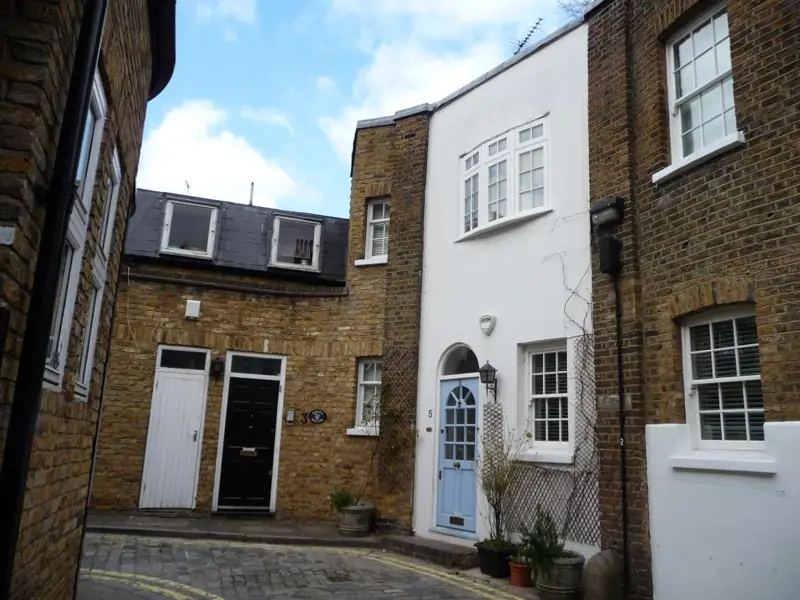
Planning and period finishes across St John’s Wood (NW8)
Period home decoration
A period room in St John's Wood does not need every surface made new. Begin by deciding what to keep, what to investigate and what can appropriately change.
Read about period home decoration 02Colour & finish planning
The palette belongs to the rooms you already have in St John's Wood. Start with the permanent materials and let the colour decisions develop around them.
Read about colour & finish planningWhat period-home decoration is there to decide
Period-home decoration begins with an inventory. Cornices, ceiling roses, shutters, panelled doors and any earlier paint layers are recorded, and each is marked keep, repair, or change. Westminster's listed-building guidance is that consent can be required for works that affect special architectural or historic interest, and that this includes interiors as well as exteriors. Listing is not established by a street looking old, and it is not confined to the front wall. The list entry for 5 to 15 Hamilton Terrace is one Grade II terrace. It does not list the whole road, which is why the address has to be checked rather than inferred. External painting that affects character may need consent, and previously unpainted surfaces are normally left unpainted. Historic England's redecoration advice is to choose coatings for the moisture behaviour of the fabric, and to take care before older decorative layers are stripped. None of that appoints a paint system for a particular house. It is why this service asks what must survive before it asks for a colour. Repairs stay separate from decoration. A detached cornice, a returning damp patch or a failed shutter is identified and either given its own scope or handed to another trade. It is not folded into a vague allowance and forgotten. A quotation can carry a provisional line for an unknown defect. It should not pretend the defect was diagnosed from a photograph.
Sources: Westminster: listed-building consent; Historic England: 5–15 (odd) Hamilton Terrace, list entry 1357073; Westminster: repairs and alterations to listed buildings; Historic England: advice on redecoration
What colour and finish planning is there to decide
Colour and finish planning is the service for decisions that are still open. It looks at the materials that will stay: timber, stone, a kitchen you are keeping, a paper on one wall, and the light from the windows you actually have. Samples are seen in the room, in daylight and under the lamps you use in the evening. Each surface then gets a complete note: manufacturer, product, colour reference and sheen. A wall, a ceiling, a door and a trim can carry four different answers. A word such as white is not a specification, because two whites on adjoining surfaces will not match by hope. If every product is already chosen, you can skip this service and send the references with the painting or paper enquiry. If they are not chosen, the specification is waiting, and the decorating services should not be booked as though the choice had been made. Exterior colour is a further check, not a spare sample from the hall. An interior board does not approve a facade. Where listing or a conservation-area control might apply, the external colour stays provisional until the right advice is in hand. Some areas have Article 4 controls, and the address is what gets checked. Wallpaper, where it is part of the scheme, is named as a product with a width and a repeat. The handover from this service is a short schedule. It is the note the painting, paper and joinery services can price.
How the two hand over to the decorating services
Period-home decoration can end in a decision to renew the present scheme, to change a defined part of it, or to wait until consent or a repair is clear. Colour planning can end in a schedule, or in a decision that a surface is excluded. Neither service paints the room, and neither hangs the paper. Interior painting, wallpaper, exterior painting and joinery take the inventory and the schedule and turn them into preparation and coatings. On a house, a workable order is to confirm what is listed or controlled, confirm what is damp or decayed, confirm colour and sheen, and only then book the service that applies them. On a flat, the agent's rules on the route join that order. The villa streets in the audit are early and mid-Victorian houses in brick and stucco, with gardens. An enquiry there may carry an interior schedule and an external stucco schedule that share a survey and do not share a specification. A High Street flat may need colour planning only for the rooms inside the lease, with the common stair and any shopfront left out. The audit treats those shopfronts as grouped street composition, not as a palette for the flat above. Using the period service to chase a fashionable scheme, or the colour service to decide whether a listed interior may be stripped, mixes questions that have different consequences. Keep the notes in separate piles and bring both if both questions are live.
Sources: Westminster: St John's Wood conservation area audit; Westminster: High Street buildings and shopfronts
What to send before either conversation
For a period-home enquiry, send the address, what you already know about listing, and any consent or written advice you hold. Photograph the features you want kept. Say which ideas only renew the present finish, and which would change a colour or remove a layer. Say if the list and the conservation-area map have not been checked. For colour planning, send daylight photographs, a note of what must stay, and the adjoining spaces that are seen in one view, including a hall or a stair when they read with the rooms. Bring any sample pots you already own, and say which decisions are still open. If an elevation is in the same message, put it in its own paragraph. The white discussed for a drawing room is not an instruction for the facade. Where you need both services, say which decisions are blocked by consent or by repair, and which are only waiting on a preference. Unknowns written as unknowns can be closed at the survey, priced as provisional, or left out of the scope. A single polished paragraph that hides them cannot be turned into a conservation question or into a colour schedule. If the colours and the inventory are already settled, say that too. The enquiry can then go straight to the decorating service that will carry out the work, with the notes attached.
Local points for colour choices and period finishes
Stucco in this conservation area is generally kept to a limited range of shades, because contrasting colours disrupt terraces and groups. Colour planning for a front starts by finding the predominant shade of that group.
Historic England advises that like-for-like external redecoration of a listed building, matching paint type, texture, finish and colour, usually does not need listed building consent. The useful record is the finish already there, so a renewal can be matched rather than redesigned.
Where the work is significant, internally or externally, the Planning Portal says listed building consent is needed. A significant change is not booked as if it were a simple renewal.
Adjoining streets and wider work
Planning a finish for period houses is also described by Primrose Hill painters and decorators and Marylebone painters and decorators.
Request a quotation
Tell us about your property.
Share the address, the rooms or surfaces, and what you have in mind.
Your project details
Tell us what you would like to decorate and where.