The decorating notebook
Decorating a mansion flat
A flat's decorating brief extends beyond its front door. Resolve building arrangements early, then plan a sequence that suits the rooms and the people using them.
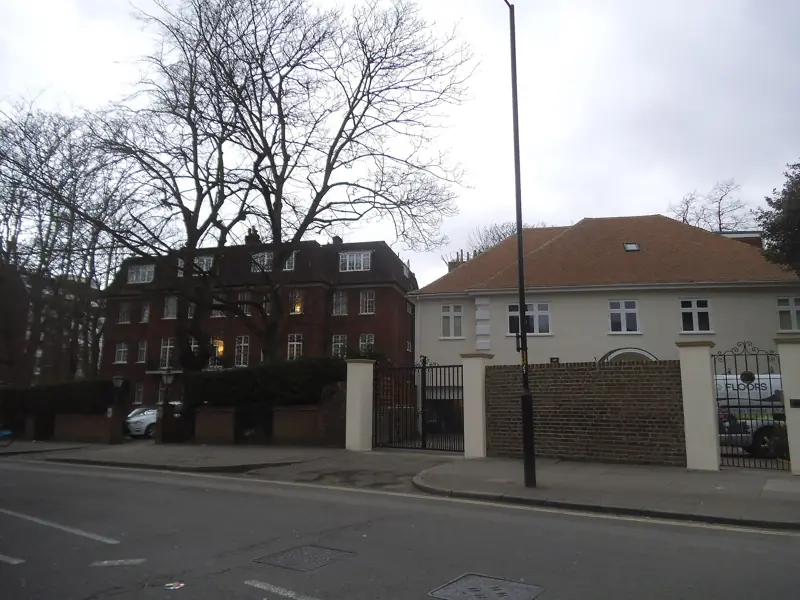
Why the building type matters here
Westminster's audit identifies Victorian, Edwardian and interwar mansion and flat blocks as part of St John's Wood's character, including those around the High Street. This is a useful reminder to establish the building's arrangements, even when the work is confined to an individual flat. Age alone does not reveal the terms of a lease or the managing agent's requirements.
Request the building information
Ask for the instructions relevant to your proposed work: permitted working arrangements, deliveries, common-part protection and use of any lift. Confirm which doors and window surfaces are yours to decorate. Provide these details with the enquiry so that the private room schedule and the shared-building requirements can be considered together.
Choose a practical room order
List rooms that can be emptied and those that must stay usable. Identify where furniture can be moved and where materials may be stored. Decide whether connecting corridors and ceilings form part of the scope. Where decoration follows electrical or joinery work, establish the handover point before agreeing a start and finish programme.
Be specific about paper and fitted furniture
Wallpaper needs its own preparation and layout decisions, including the treatment of reveals and alcoves. For cupboards, state whether internal shelves, door backs and concealed edges are included. These details can be easy to overlook when a quote is described only by a room count. Send product information and photographs of each type of surface.
Review the common route as well as the rooms
Agree how retained flooring, lift surfaces and stair walls will be protected and how the carrying route will be kept usable. At the end, review the agreed decorating scope and record any remaining items. Keep finish references with the flat's maintenance information, including the distinction between private and shared surfaces.
Victorian, Edwardian and interwar blocks, and one lease
Westminster's audit groups Victorian, Edwardian and interwar mansion and flat blocks into the character of St John's Wood, including those around the High Street. The grouping is architectural. It is not a statement that those blocks share a lease, a managing agent or a rule about paint. Age will not tell you whether the windows are demised, whether weekend work is allowed, or whether the common stair has a specified finish. Ask the agent for the pages that apply to your proposed work, and attach them to the enquiry. Until they arrive, keep the brief inside the rooms you know you control. A Victorian block and an interwar block can both have a porter's desk or neither; do not invent a procedure from the facade. What you can prepare without the agent is the room list, the condition of the plaster and the joinery, and the question of wallpaper versus paint. What you should not guess is the route through the building. Note the floor, the lift if there is one, and the landing. The audit is a reason to expect a building with rules. The rules themselves come from the building.
Outside faces of windows on Abbey Road and Grove End Road blocks
Parts of Abbey Road and Grove End Road were redeveloped with early twentieth-century mansion blocks, which the St John's Wood audit records separately from the 1860s houses in Abbey Gardens. In those blocks the outside of a window is often the first thing a flat enquiry gets wrong. The reveal inside the room, the staff bead, and the face to the street can belong to different people. Ask, for each, before any of them is typed into a quotation. A sash that you may paint inside may still be a building item outside, and the colour of that outside face may be set for the elevation rather than for your rooms. Balcony doors, where they exist, deserve the same question. Do not assume every flat in these blocks has a balcony; the audit does not say that. It says there are mansion blocks on parts of those roads. If your address is a house in Abbey Gardens instead, stop using this section and describe the terrace. If it is a flat, pair this window question with the agent's note on deliveries and common-part protection.
Dust, neighbours and a room that has to stay in use
Mansion-flat decorating is usually done beside other households, above and below a floor that transmits sound and along a corridor that must stay open. Say which room will remain usable for sleeping or cooking, and plan the dustier preparation away from it. Rubbing down and removing paper should be contained: doors sealed, floors covered, and waste bagged before it is carried through the common parts. The agent's instructions on protection are the minimum for the shared route. Inside the flat you can be more particular about stone, timber and fitted furniture. Sequence wet paint so that the only hallway is not blocked on the day the kitchen is still in use. Recoat times come from the product, which means a room may be finished and still not ready for furniture. Tell the brief if children, a pet or a home office must be accommodated, without turning that into a promise about speed. Wallpaper in a flat needs the same layout decisions as anywhere else, plus a place to paste that does not occupy the landing. At the end, review the private rooms against the schedule, and walk the common route separately.
Adjoining streets and wider work
Mansion flats and shared corridors of this kind also stand in the adjoining areas. See Primrose Hill painters and decorators and Marylebone painters and decorators.
Where a flat needs work beyond decoration, that wider repair sits with Hampstead Renovations on its St John's Wood pages.
Communal stairs and shared parts, where a survey is needed before decorating, can be discussed with Hampstead Chartered Surveyors, our sister surveying and building consultancy firm.
Request a quotation
Tell us about your property.
Share the address, the rooms or surfaces, and what you have in mind.
Your project details
Tell us what you would like to decorate and where.