St John’s Wood Painters & Decorators
Period home decoration
A period room in St John's Wood does not need every surface made new. Begin by deciding what to keep, what to investigate and what can appropriately change.
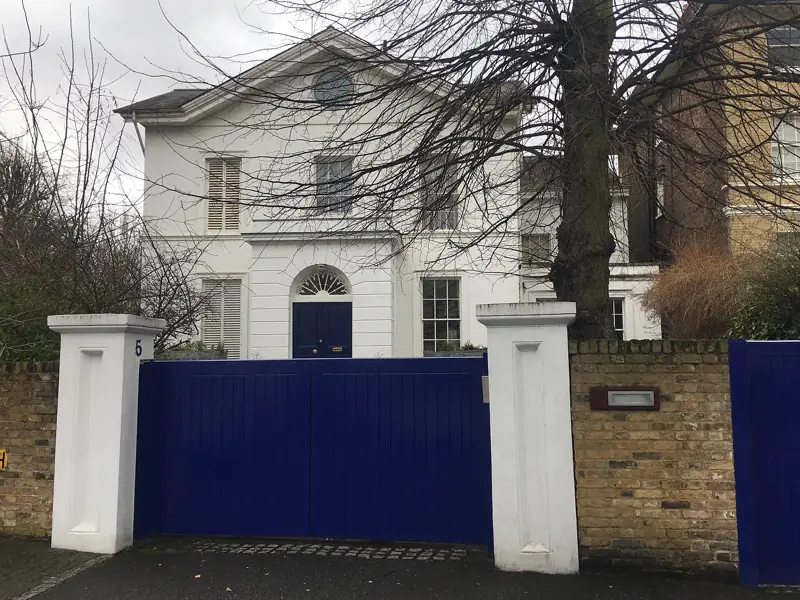
An inventory before a colour scheme
Photograph cornices, shutters, panelled doors and any earlier finish you intend to retain. Note which details are original, which are later additions and which are uncertain. Historic England advises care where earlier decoration survives, since removing layers can erase evidence. Refer uncertain or significant finishes for specialist advice before preparation starts.
Listing is not confined to the front wall
Westminster's listed-building consent guidance covers both interiors and exteriors when work affects special architectural or historic interest. An internal scheme therefore needs its own review, even if the external appearance stays the same. Provide a precise schedule of the surfaces and preparation methods to the adviser or authority considering the proposal.
Sources: Westminster: listed-building consent
Separate repair from decoration
A damaged moulding, unstable plaster or damp patch needs a decision before paint is selected. Identify who will investigate, specify and carry out any repair, and how the decorating work follows it. Do not hide uncertain repair assumptions inside a general allowance for preparation. The agreed scope should make responsibilities visible.
Retain a record of the decisions
Keep photographs, approved samples, product references and any consents together. Where a finish must match retained work, agree the comparison in the actual room. This record helps explain the final scheme and gives future maintenance a useful starting point. It also keeps a change of mind about colour separate from a change to approved work.
Moisture, older plaster and coatings chosen to suit them
Period decoration starts with how the building handles moisture, not with a colour card. Historic England's redecoration advice is that the suitability of a coating includes the way it deals with moisture, and that there is no single system for every old wall or piece of joinery. A dense, impermeable finish on a lime plaster or an external stucco can hold water in the fabric. That is a reason to identify the substrate, or to admit that it is unknown, before a product is named. Inside, a stained ceiling in an old house may be a leak, a salt, or an earlier coating bleeding through. Each wants a different response, and none is settled until the cause is considered. Joinery that has been painted for decades may be sound under the film, or soft at the cill. Probe that question before specifying a full strip. Where earlier schemes might be of interest, ask for advice before they are removed; the same Historic England note treats historic layers as evidence. The brief should split three things that are often bundled: investigation, repair, and decoration. Products are then chosen for the surface that will actually receive them.
Cornices, ceiling roses and detail preparation must not erase
A cornice or a ceiling rose is a profile. Filling should sit in the losses, not across the leaves and beads that are still crisp. Rubbing down should remove nibs and failed edges without flattening the ornament into a soft blur. Photograph the detail before work, including cracks that follow the ceiling joists and earlier resin repairs that have gone yellow. Say whether the ornament is painted with the ceiling or picked out, and in which sheen. Ceiling colour, wall colour and the cornice between them need three lines in the schedule. Where a picture rail or a dado survives, decide if it is decorated with the joinery or left. Shutters and their boxes belong in the same conversation, because they meet the wallcovering or the wall paint along a line that shows every overlap. If the house is listed, Westminster's consent guidance covers interiors as well as exteriors where the work affects special interest. A method that sounds like ordinary preparation, such as stripping a shutter or replacing a moulding, can be part of that question. Put the proposed method in the description you give an adviser, not only the finished colour.
Listed interiors and a colour change that is still a change
People often assume that listed-building consent is an outside matter. Westminster's current guidance, which it updated on 5 August 2026, says consent is required for works that affect the special architectural or historic interest of the building, and that this includes interiors. An internal scheme can therefore need its own check even when the street elevation is left alone. The useful description is specific: which rooms, which features, whether paint is to be removed, whether plaster is to be repaired, and whether the colour change is slight or pronounced. Historic England flags character-changing external repainting as a permission question. Earlier decorative schemes may sit under the present paint. If they appear, the brief should already say who is called and which work stops. Do not treat a general preparation allowance as permission to strip. St John's Wood contains both villa streets and mansion blocks, and listing attaches to buildings, not to a neighbourhood nickname, so the list and the council map are checked for the address. Keep any consent, approved sample and restricted method with the specification. A later wish to deepen a colour is a new decision if the approval was for a named sample.
Sources: Westminster: listed-building consent; Historic England: advice on redecoration; Westminster: conservation areas and boundary maps
Listed buildings in St John's Wood: consent before decoration
The St John's Wood audit recorded 274 listed buildings in the designated area. A street of similar houses is not evidence that yours is listed, and it is not evidence that it is not. The list entry for the address is the check.
Westminster's listed-buildings guidance says painting the outside of a listed building needs consent where that painting affects its special character, and that previously unpainted surfaces should not normally be painted. An external colour change, and any proposal to coat a bare surface, belongs in the consent question before a sample is treated as approved.
The same guidance asks that surviving wall or ceiling paintings and important original decorative schemes in listed interiors be preserved. Decoration inside a listed room starts from what must remain, including paint that may itself be the scheme.
The Planning Portal notes that significant internal or external works to a listed building need listed building consent. If the proposal is significant, consent is the first item on the brief, not a note added after preparation has started.
How to ask for a period-home quotation
Send the address, whatever you already know about listing, and photographs of features that should remain. Mark the proposals that only refresh the current finish, and mark separately anything that would change a colour or take a layer off. The contact page is where that inventory goes, including any consent already granted.
Questions about Period home decoration
What does period-home decoration cover beyond ordinary room painting?
Period decoration starts with an inventory: cornices, ceiling roses, shutters, panelled doors and older paint. Preparation and coatings are then agreed, with repairs kept apart from colour. Listing is checked for the address, and advice comes before a finish changes where consent may apply. The aim is not to strip every layer to bare plaster. Earlier schemes can be evidence, so they are recorded before removal is proposed on a St John's Wood house or flat.
How are cornices and older plaster treated?
Detail is protected while it is prepared. Loose flakes come off. Sound older paint may stay when the new system is compatible. Gaps are filled to suit the plaster, not with a hard filler that later prints through. A damp patch is a cause to understand, not something sealed because a room has a date. Coatings follow how that fabric handles moisture. No single product suits every ceiling in a St John's Wood house.
What should I send if the house may be listed or in a conservation area?
Send the address, what you know about listing, and any consent or written advice. Photograph the features you want kept. Separate ideas that only renew today's finish from ideas that would alter a colour or take a layer away. Painting a previously unpainted outside face is normally avoided, and a change that affects character may need consent. Interior changes can matter on the same listing. Leave anything not yet checked written as unknown.
What is left out until a repair has been agreed?
Decoration does not replace a structural repair, a damp investigation or failed joinery. A split shutter, a loose cornice or a stain that returns after rain is named on its own. It is repaired in an agreed scope, or passed to another trade with a handover. Samples wait until the surface is sound. A quotation may carry a provisional line for a defect not yet understood. It should not claim a photograph has diagnosed it.
Do I need consent to repaint a listed front in St John's Wood?
Westminster says painting the outside of a listed building needs consent where it affects special character, and that previously unpainted surfaces should not normally be painted. The Planning Portal notes that significant internal or external works to a listed building need listed building consent. The audit recorded 274 listed buildings in the designated area, so listing is checked for the address rather than assumed from the street.
What if a listed St John's Wood room still has an earlier painted scheme?
Westminster asks that surviving wall or ceiling paintings and important original decorative schemes in listed interiors be preserved. The inventory of what is already there comes before a new colour.
Adjoining streets and wider work
Decoration of period houses is also set out for the adjoining areas by Primrose Hill painters and decorators and Hampstead painters and decorators.
Where a listed building needs work beyond redecoration, that wider repair sits with Hampstead Renovations.
If a listed facade needs investigation before a decorating specification is settled, that step can be discussed with Hampstead Chartered Surveyors, our sister surveying and building consultancy firm.
Related services
In these parts of St John’s Wood
Request a quotation
Tell us about your property.
Share the address, the rooms or surfaces, and what you have in mind.
Your project details
Tell us what you would like to decorate and where.